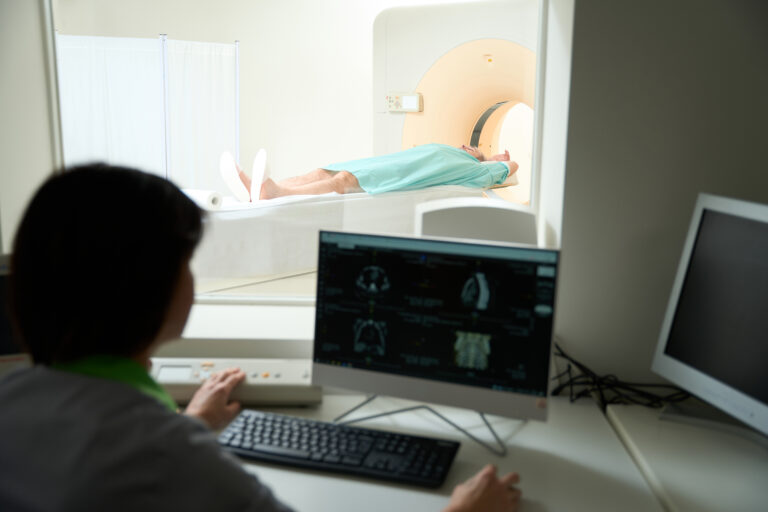
Computed tomography (CT) has proven to be a powerful tool for the early diagnosis and treatment of lung cancer. Research has shown that the use of CT can reduce lung cancer deaths by 24%, offering new hope to patients.
Lung cancer is one of the deadliest forms of cancer, mainly because it is often diagnosed at an advanced stage. Computed tomography, however, allows the detection of cancer in early stages, when treatment is most effective. This is achieved by creating detailed cross-sectional images of the lungs, revealing abnormalities and tumors that may not be visible with other methods.
Early detection is critical to improve treatment outcomes. When lung cancer is detected early, patients have more treatment options, including surgery, radiation therapy, and chemotherapy. These treatments are usually more effective and less invasive when the tumor is small and has not spread.
The use of CT to screen for lung cancer is especially important for smokers and ex-smokers, as these people have a higher risk of developing the disease. The guidelines recommend annual screening with a CT scan for people aged 55-80 years who have smoked for at least 30 years.
Beyond early diagnosis, computed tomography also contributes to improving the follow-up of cancer patients. Doctors can use the images to monitor the tumor's response to treatment, assess disease progression, and adjust treatment plans accordingly.
The 24% reduction in lung cancer deaths through the use of CT scans highlights the importance of early diagnosis and regular follow-up. Investing in such technologies can save lives and improve patients' quality of life.
Integrating into the daily practice of doctors and health centers is a critical step towards reducing lung cancer deaths and improving the health of the population. With continued research and technological advancement, we can hope for even greater improvements in the prevention and treatment of this deadly disease.